
If you grew up in a Sanatani household, you may remember an older relative setting out a small bowl of milk on a particular day in the monsoon, near a wall or a tree, and being told it was for the snake. That day is Nag Panchami.
It falls on the fifth day of the bright fortnight of Shravan, the monsoon month most sacred to Bhagwan Shiva. This year Nag Panchami is on 29 July 2026.
A festival older than most
Serpent worship in Bharatvarsha is very old, older than many of the deities whose festivals are better known today. The nagas appear across the tradition, coiled around Shiva's neck, cradling Bhagwan Vishnu as he rests on the cosmic serpent Shesha, guarding treasures and rivers in countless local stories.
Nag Panchami gathers that long reverence into a single day.
The stories behind the day
There are many, and they vary by region. In one well known account from the Mahabharata, the festival is linked to the great snake sacrifice of King Janamejaya, which was halted before the serpent race could be destroyed. The day marks that mercy, the moment the snakes were spared.
In village stories, the snake is a protector of the household and the fields, and Nag Panchami is the day to thank it and ask it to spare the family through the year. Monsoon is when snakes leave their flooded burrows and come close to homes, so the timing is not accidental. The festival turns a season of real danger into a season of respect.
What it teaches
The tradition does not pretend the snake is harmless. It honours it anyway.
That is the quiet lesson inside Nag Panchami. The natural world is not divided neatly into useful and dangerous, friend and pest. The serpent is feared and revered in the same breath. To worship it is to accept that the world contains things larger and older than us, and that respect, not conquest, is the right posture toward them.
It is a very Sanatani idea: the divine is present even in what you are afraid of.
How to observe it
The customs are gentle and easy to keep.
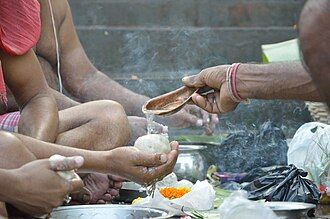
Many households offer milk, water, and flowers to an image or idol of a naga, or at a Shiva temple, since the serpent and Shiva are so closely tied. Some draw snake figures with turmeric or sandalwood paste beside the door. In many families no digging or ploughing is done on this day, out of care not to disturb creatures in the earth.
If you keep it simply at home, light a lamp, offer a little milk and a few flowers before an image of Shiva or a naga, and take a moment to mean the gesture rather than rush it. A short prayer for the safety of your household and for harmlessness toward other beings is the whole spirit of the day.
A note worth adding: real snakes should never be caught, displayed, or fed milk, which can harm them. The reverence of Nag Panchami is best kept through images and symbols, and through letting living creatures be.
There is a kindness woven through this festival that is worth carrying past it. The tradition asks you, once a year, to honour the thing you instinctively want to harm. That is a hard and beautiful instruction, and the monsoon is exactly the right time to practise it.