There is one day in the year that the shastras call wholly auspicious, needing no muhurat, no checking of the panchang, no calculation at all. It is Akshaya Tritiya, the third lunar day of the bright fortnight of Vaishakha. The word akshaya means that which never diminishes, the imperishable, and the day is held to be so favourable that anything begun on it is blessed to grow and never decline.
A day that needs no muhurat
In jyotish, the selection of an auspicious moment, the muhurat, is an exacting science. Most undertakings, a marriage, a journey, the opening of a venture, the laying of a foundation, are best begun at a carefully chosen time when the planetary positions favour them.
Akshaya Tritiya is one of the rare exceptions. It is counted among the saade teen muhurat, the three and a half days of the year considered auspicious in their entirety, when the whole day is favourable without any further calculation. The tradition holds that the union of the tithi with this time of year makes the day self-evidently good, an abhijit moment stretched across a full day. For those who find the panchang daunting, this is the year's simplest auspicious date.
Why it is imperishable
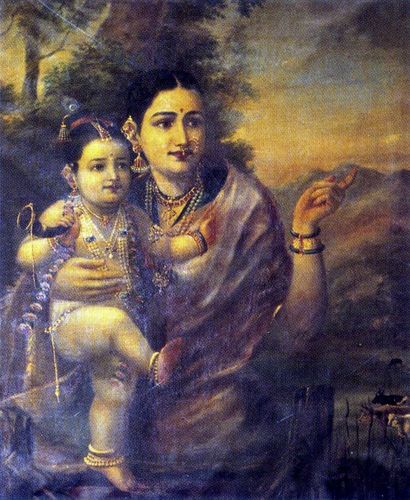
Several accounts give the day its weight. It is held to be the day the Treta Yuga began, and the birthday of Parashurama, the sixth avatara of Vishnu. It is said to be the day Ved Vyasa began dictating the Mahabharata to Ganesha. It is the day the Ganga is believed to have descended to earth. And it is the day, in the story of the Pandavas' exile, that Krishna gave Draupadi the Akshaya Patra, the vessel that never emptied of food, so that no guest at their door would go hungry.
That last image holds the day's true meaning better than any other. The imperishable vessel did not make the Pandavas rich. It made them able to give without their giving ever running out. Akshaya, the never-diminishing, is at its heart about generosity that does not deplete the giver.
Gold, and what lies beneath it
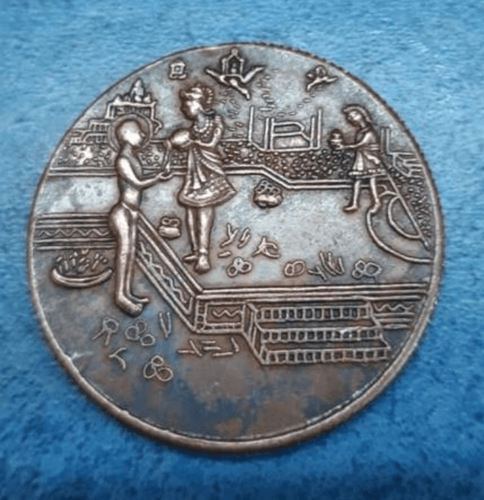
Akshaya Tritiya has become, in our time, a great day for buying gold, on the belief that wealth acquired on it will only grow. There is nothing wrong in this, and the day is genuinely regarded as auspicious for acquisition and for new financial beginnings.
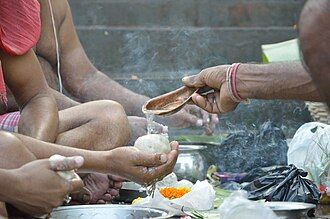
But it is worth seeing what sits beneath the gold. The deeper teaching of the day is not accumulation but akshaya punya, imperishable merit, the merit earned through acts that do not diminish. Charity given on this day, food offered, water provided to the thirsty, knowledge shared, are all held to yield imperishable fruit. The tradition that buys gold on Akshaya Tritiya also, in its older wisdom, gives, because what is given in the right spirit is the truly imperishable wealth, growing in merit while the gold merely sits.
How to keep the day
Begin something good. A new venture, a practice, a discipline, a worship, started on this day is said to flourish. Worship Vishnu and Lakshmi, who are honoured together on it. And do not let the day pass without giving something, food, water, help, knowledge, for this is the half of Akshaya Tritiya most worth keeping.
If you are weighing an important beginning and want to understand how this day, or another, sits with your own chart, a jyotishi on Apna Sanatan can look at it with you.
Begin well, give freely, and trust the day's old promise: what is started rightly on it does not diminish.