Most festivals are kept by day. Maha Shivratri is kept by staying awake at night. The name says it: the great night of Shiva. Once a year, on the fourteenth night of the dark fortnight of Phalguna, devotees fast through the day and keep vigil through the whole night, worshipping Shiva in the darkest hours. A companion piece on this site tells the stories behind the night. This one is about the practice itself, what it is to actually keep the vigil.
Why the night, and why awake
Shivratri means the night of Shiva, and the staying awake is the point, not an accident of timing. The vigil, the jaagran, is the heart of the observance.
There is meaning in it. Night is when the world quiets and the senses turn inward, the natural time for meditation and for turning toward the formless. The tradition also holds this particular night to be spiritually charged, a time when devotion and stillness bear special fruit. To stay awake is to refuse the ordinary pull of sleep and forgetfulness for one night, and to hold the mind on Shiva instead. The vigil is a small tapasya, a discipline kept out of love.
The four prahars
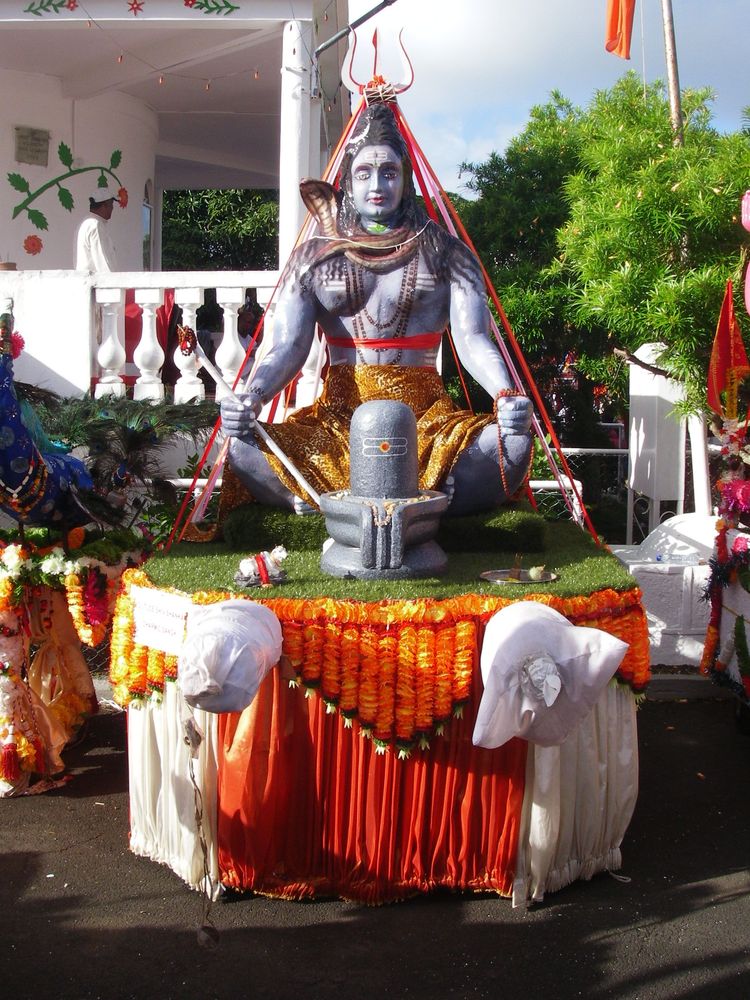
The classical way of keeping the night divides it into four prahars, four watches of roughly three hours each, with a worship of the Shiva linga performed in each.
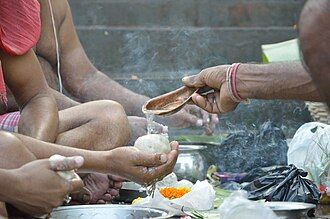
In each watch, the linga is given the abhishekam, the ritual bath, traditionally with the substances dear to Shiva: water, milk, curd, honey, ghee. Bilva leaves, the three-lobed leaves that Shiva is said to love above all offerings, are placed on the linga. The mantra Om Namah Shivaya is chanted, and in the gaps between the watches, devotees sing bhajans, recite, and meditate, keeping themselves and one another awake until dawn.
You do not need a temple to keep the four prahars. A simple linga or image at home, the offerings you can manage, bilva leaves if you can find them, and the willingness to mark each watch of the night with worship rather than sleep, is enough.
The fast
The day before the night is kept as a fast. Some keep it nirjala, without water; many keep a phalahar fast on fruit and milk, avoiding grains. The fast lightens the body for the vigil and is part of the night's discipline. As always, let your health set the limit; the fast is meant to support the night's devotion, not to harm you.
The fast is broken the next morning, after the night is complete, often after a final worship at dawn.
Where the night is kept most intensely
Maha Shivratri is observed wherever Shiva is worshipped, which is everywhere, but some places keep it with particular intensity. The twelve Jyotirlingas draw great crowds through the night. At Ujjain, the Mahakaleshwar temple is at its most charged. In Himachal, the week-long Mandi Shivratri fair gathers deities from across the region. At Pashupatinath in Kathmandu, sadhus arrive in their thousands. In all of them, the night is one long unbroken worship.
What the vigil gives
There is something the night teaches that no daytime festival can. To stay awake through the dark hours, fasting, returning again and again to the same name and the same simple offerings, is to learn for one night what discipline feels like, and to find that the mind held steadily on the divine grows quiet and clear in a way it rarely does by day.
In 2027, Maha Shivratri falls in late February. Keep the fast as your body allows, and keep the night as best you can, even part of it. Mark a watch or two. Chant the name. Offer the bilva. And meet the dawn having stayed awake, for once, for something worth staying awake for.