Makar Sankranti is the rare Hindu festival that falls on nearly the same date every year, around the fourteenth of January, because it follows the sun rather than the moon. It marks the day the sun begins its northward journey, Uttarayan, entering the zodiacal sign of Makara, Capricorn. And while a companion piece on this site looks at what that solar turning means, this one looks at something just as striking: how a single astronomical event becomes a dozen different festivals across the subcontinent on one day.
One sun, many names
Travel across India on Sankranti and you will hardly recognise that you are at the same festival.
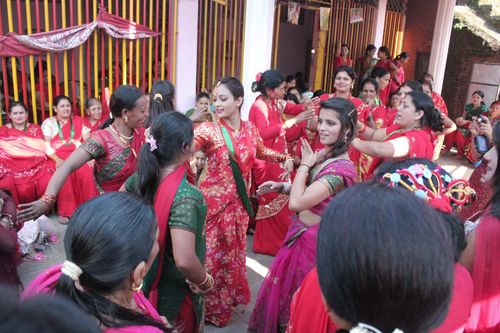
In Tamil Nadu it is Pongal, a four day harvest festival named for the dish of newly harvested rice boiled with milk and jaggery until it overflows the pot, the overflowing itself a sign of abundance welcomed with shouts of joy. In Punjab the season is Lohri, kept the night before, with a bonfire around which people gather to throw in sesame, jaggery and popcorn, and to sing. In Gujarat it is Uttarayan, the great kite festival, when the sky over Ahmedabad fills edge to edge with kites and the rooftops with families flying them. In Assam it is Magh Bihu, with feasting and bonfires after the harvest. In Karnataka, Andhra and the Maharashtra Deccan it keeps the name Sankranti, with the sharing of til-gul, sweets of sesame and jaggery, and the gentle words til-gul ghya, god god bola, take this sweet and speak sweetly.
Different names, different foods, different customs, the same sun and the same harvest.
Why a harvest, and why sesame
The common threads tell you what the festival is underneath. Almost everywhere it is a harvest celebration, the gathering-in after the main winter crop, a moment of plenty and thanksgiving. And almost everywhere the foods are the same two: sesame, til, and jaggery, gur.
There is good sense in this beyond ritual. Sankranti falls in the depth of winter, and sesame and jaggery are warming, energy-dense foods well suited to the cold. The tradition that hands them out, asking that sweet words follow the sweet, wraps a piece of seasonal nutrition inside an act of reconciliation and goodwill.
The river and the bath
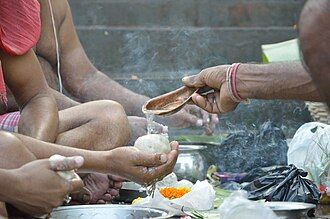
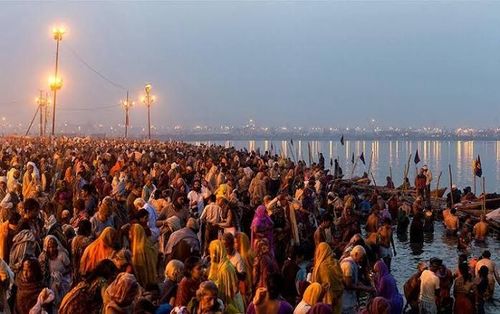
Sankranti is also one of the most significant days of the year for the ritual bath in sacred rivers. The Ganga Sagar mela, where the Ganga meets the sea in Bengal, draws great crowds for the snan on this day, second only to the Kumbh in scale. To bathe at the confluence on the day the sun turns north is held to carry deep merit.
This pairs the festival's two faces: the harvest of the fields and the cleansing of the waters, the body fed and the spirit washed, both timed to the sun's turning.
In 2027
In 2027, Makar Sankranti falls on the fourteenth of January, with Lohri kept on the thirteenth and Pongal beginning around the fourteenth. The dates barely move from year to year, which is part of the festival's quiet character. While the lunar festivals drift across the calendar, this one stays fixed to the sun, dependable as the season it announces.
Wherever you keep it, the heart is the same. The cold begins to loosen, the harvest is in, and the days grow longer from here. Share something sweet, speak sweetly, and welcome the returning light.