
The hour when nothing should be begun
Every Sanatani schedule of any seriousness, weddings, griha pravesh, business openings, journeys, accounts for Rahu Kaal. The pandit drawing up a muhurat will look at the day and immediately mark the Rahu Kaal hour as excluded. The traditional shopkeeper will not open the cash counter during Rahu Kaal. The careful traveller will not begin a journey in it. The Sanatani grandmother will scold a grandchild for starting an exam preparation session at the wrong time on Tuesday afternoon.
This is not superstition. It is a precise observation about the day's astrological structure, and worth understanding even if you choose to ignore it.
What Rahu Kaal actually is
Each day from sunrise to sunset is divided into eight equal parts. One of these parts, roughly 90 minutes in length, is ruled by Rahu, the shadow planet of confusion, delusion, and obstacle. The position of this hour shifts predictably day by day according to the weekday:
- Sunday: 4:30 PM to 6:00 PM (8th portion)
- Monday: 7:30 AM to 9:00 AM (2nd portion)
- Tuesday: 3:00 PM to 4:30 PM (7th portion)
- Wednesday: 12:00 PM to 1:30 PM (5th portion)
- Thursday: 1:30 PM to 3:00 PM (6th portion)
- Friday: 10:30 AM to 12:00 PM (4th portion)
- Saturday: 9:00 AM to 10:30 AM (3rd portion)
The times above assume sunrise around 6:00 AM and sunset around 6:00 PM. The actual Rahu Kaal hour shifts with the seasons. In summer, sunrise is earlier and sunset later, so Rahu Kaal is later in clock time. In winter, the opposite. A panchang will give you the exact times for your latitude and date.
What it is said to do
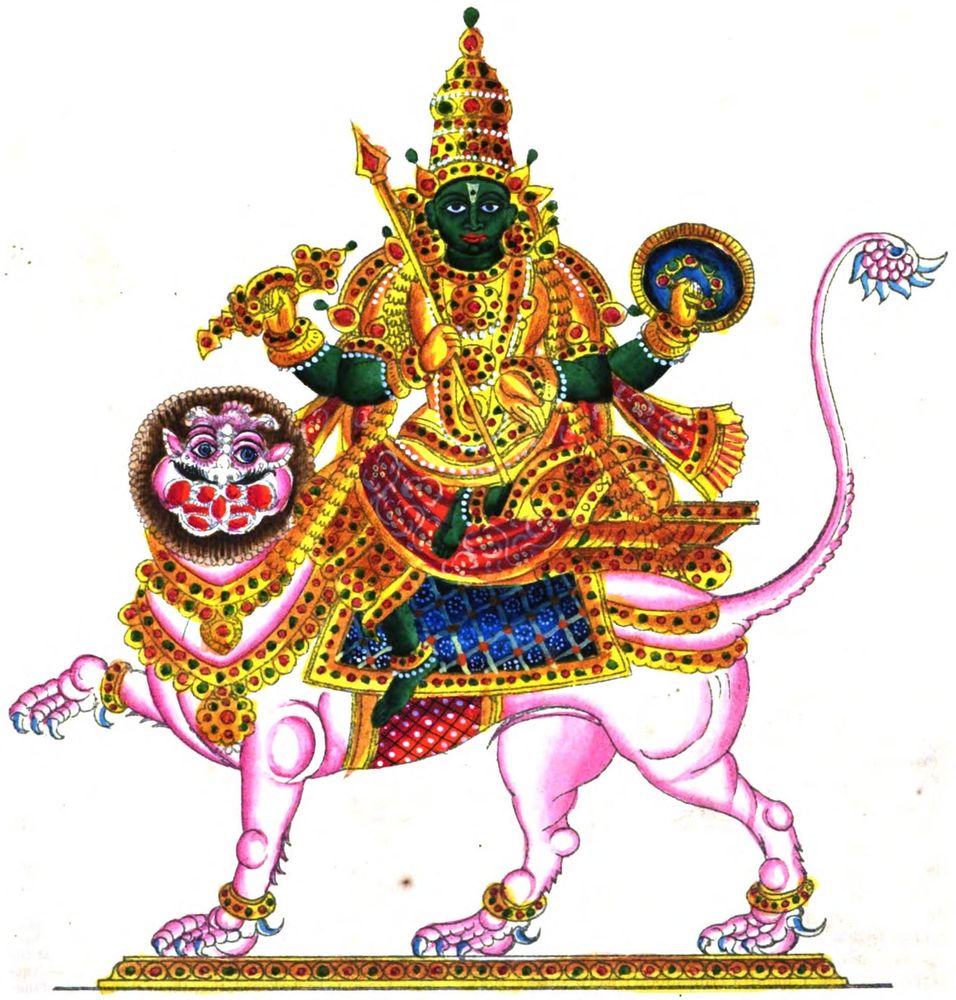
Rahu in jyotish is the planet of obscured judgment. Where Rahu sits in a chart is where the native makes decisions on incomplete information, with desire ahead of clarity. The Rahu Kaal hour is described as carrying this same quality, in a small daily way. Decisions made in it tend to be made with the wrong information, or with the right information misread.
The shastras do not say that calamities will befall you in Rahu Kaal. They say that important commitments, agreements, and starts are not well-protected by the day's planetary structure during this hour. New ventures begun in Rahu Kaal are more vulnerable to misalignment with reality than they would be 90 minutes earlier or later.
What to avoid in Rahu Kaal
The traditional list is specific:
- Signing contracts or making major financial commitments
- Starting a new business venture, a new job, or a major project
- Beginning a journey of significance
- Wedding ceremonies (the mangal pheras specifically)
- Griha pravesh (entering a new home for the first time)
- Major purchases, especially gold, land, or vehicles
- Important conversations where the outcome matters (asking for a raise, proposing marriage, breaking news)
- Critical examinations or interviews
The pattern is consistent: anything that begins something, anything that locks in a commitment, anything where the decision is hard to reverse.
What is fine in Rahu Kaal
Almost everything else. Eating, sleeping, working on ongoing tasks, reading, exercising, casual conversation, routine errands. Continuation is not affected. Rahu Kaal is about starts, not states. The grandmother does not stop cooking lunch because Rahu Kaal began; she stops only from beginning something whose consequences matter.
A specific exception: Rahu Kaal is considered favorable for spiritual practices aimed at Rahu himself or at his antidote. Hanuman worship, Durga Saptashati recitation, Sade Sati remedies, certain tantric sadhanas. The hour when Rahu is most active is also the hour when worship of those who control him is most effective. This is the same logic by which Saturdays favor Shani worship.
How seriously to take it
This is the honest question, and the answer is contextual.
If you are at the start of a major life decision, marriage, business, home purchase, take it seriously. The cost of waiting 90 minutes is nothing. The benefit, if jyotish is right, is real. The benefit even if jyotish is only partially right, in giving you 90 extra minutes to consider, is also real.
If you are running ordinary daily life, you can ignore it. The shastras do not ask you to live around Rahu Kaal. They ask you to time the important things outside it.
Traditional Sanatani families have a third position: they take it seriously for themselves but do not impose it on others. They will time their own son's wedding outside Rahu Kaal but will not insist the same of a colleague's daughter's wedding. This is the practical synthesis. Use the knowledge for your own consequential decisions. Do not preach it.
How to check Rahu Kaal for any given day
Every Sanatani panchang lists the daily Rahu Kaal. On this platform, the daily panchang on the home page shows Rahu Kaal for the current day in your location. Online panchang sites and Sanatani apps will give the same.
If you remember nothing else, remember this: Rahu Kaal shifts by weekday, sunrise to sunset is divided in eight, and the position that day is fixed by tradition. Sunday eighth. Monday second. Tuesday seventh. The hours after that just need the time of sunrise and sunset for your location.
A closing note
Rahu Kaal is one of the smallest, most disciplined uses of jyotish in daily Sanatani life. It does not require a kundli, a consultation, or an astrologer. It requires only the clock. For a tradition that is often accused of being heavy with ritual, this is one of the lightest possible touches: a single hour of caution, once a day.
A daily caution about the inadequacy of our own judgment is not a bad thing to carry. The traditional Banarasi shopkeeper closing his till for 90 minutes is not afraid of the cosmos. He is acknowledging that even on a good day, there is an hour when his own clarity is suspect, and the wise thing is to wait.