The dosha that scares people for the wrong reasons
Tell a traditional Sanatani family that the boy or girl their child is engaged to has Mangal Dosha, and you will see, in a quiet way, the conversation change. Plans pause. The pandit is called again. The kundli is shown to a second jyotishi for a fresh reading. Wedding dates that seemed set are now uncertain.
This is the cultural weight that Mangal Dosha carries in Sanatani marriage culture. It is also, in many cases, weight that has been added to it by fear, by half-remembered tradition, and by jyotishis who have stopped explaining the actual mechanics to the families they advise.
This article walks through what Mangal Dosha actually is, what it actually predicts, and how to think about it without panic and without dismissal.
What it actually is
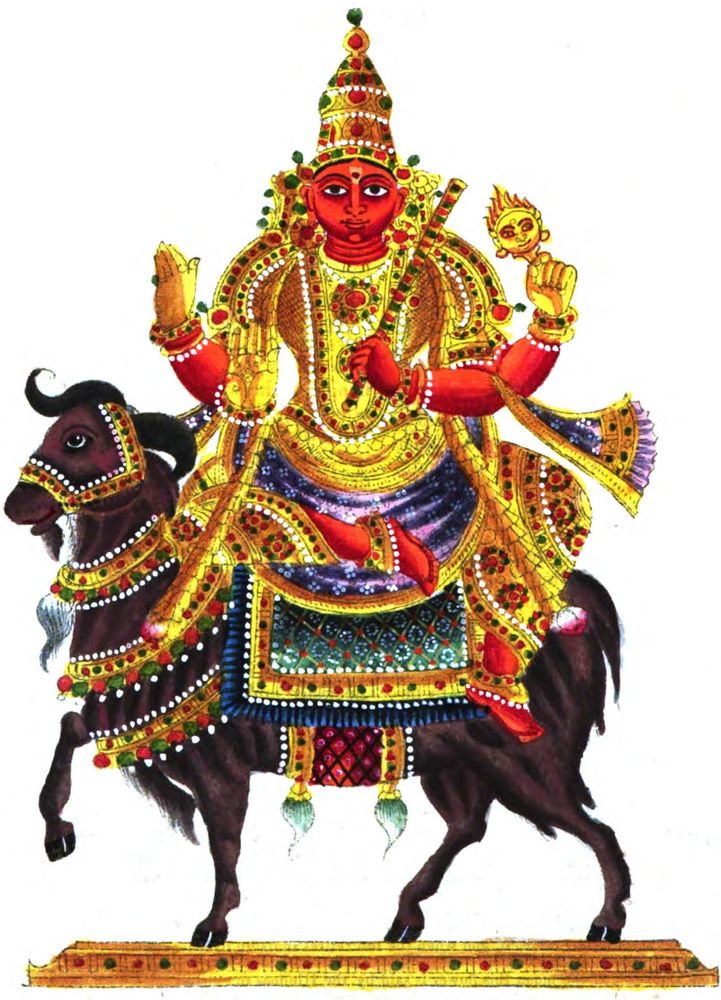
Mangal Dosha, also called Kuja Dosha or Manglik Dosha, is the placement of Mangal (Mars) in specific houses of a person's kundli.
The classical definition: when Mangal sits in the 1st, 2nd, 4th, 7th, 8th, or 12th house from the lagna (ascendant), the chart is said to have Mangal Dosha. Some traditions also count placement from the Chandra lagna (moon sign) or the Shukra (Venus) position, which is why different jyotishis sometimes give different answers about whether a chart is Manglik or not.
The houses listed are not random. They are the houses most directly connected to marriage, spouse, and married life:
- 1st: the self and the body
- 2nd: family, speech, accumulated wealth
- 4th: home and emotional foundation
- 7th: the spouse and the marriage itself
- 8th: longevity, transformations, and the spouse's longevity
- 12th: bed, intimacy, losses
Mangal in any of these houses creates pressure on the corresponding life area. Because Mangal is the planet of heat, intensity, conflict, and decisive action, his presence in a marriage-related house gives the marriage those qualities. Heat, intensity, sometimes conflict.
What it actually predicts
This is where the popular framing has drifted from the classical texts.
The popular framing says: Manglik people cause harm to their spouse. They are aggressive, quarrelsome, or doomed to early widowhood for their partners. Marrying a Manglik without remedy is dangerous.
The classical framing says something more measured. A Manglik chart predisposes the marriage to high-intensity dynamics. The native, or the spouse, will be more emotionally intense, more decisive, more reactive. Arguments will be sharper. Reconciliations will be quicker. The relationship will run hotter than most.
This is not the same as predicting harm. It is predicting temperature.
A Manglik married to someone with a calm chart can absolutely make a marriage work. The non-Manglik partner provides the cooling element. A Manglik married to another Manglik can also work, sometimes especially well, because both partners can match each other's intensity without one feeling dominated. The traditional concern, "Manglik married to non-Manglik causes harm to non-Manglik," is overstated when the actual chart compatibility is examined in full.
The Manglik exemptions
Even within the classical texts, Manglik status is qualified by several conditions that often cancel or reduce the dosha. A skilled jyotishi will check these before declaring a chart Manglik in any serious sense.
Mangal in his own sign or exaltation. If Mangal sits in Aries, Scorpio, or Capricorn (his own signs or exaltation), the dosha is significantly reduced. Mangal in these signs is "happy"; his intensity has a constructive outlet.
Mangal aspected by Brihaspati or Chandra. A friendly aspect from Jupiter or the moon softens Mangal's heat. The dosha is reduced.
Mangal in conjunction with Brihaspati. Direct conjunction with Jupiter is one of the strongest cancellations.
Both partners are Manglik. When both bride and groom are Manglik, the dosha is mutually neutralized. This is one of the most widely accepted traditional principles for matching.
Age beyond 28. Some traditions hold that the harshest effects of Mangal Dosha attenuate naturally as the native ages past 28, when Mangal's influence in the chart stabilizes.
Mangal in the 4th from Venus or 7th from Saturn. Specific dignity factors that classical texts cite for cancellation.
The honest reality: most "Manglik" charts have one or more of these cancelling factors. A jyotishi who declares a chart Manglik without checking the cancellations is doing incomplete work.
The matching principle
In traditional kundli matching (ashtakoota), Mangal Dosha is one factor among many. The full matching looks at 36 gunas (qualities) across eight categories, of which Manglik status is part of the koota analysis.
A chart can be Manglik and still match a non-Manglik partner well if the overall guna count is strong. A chart can be non-Manglik and still match poorly if the gunas conflict. The single Manglik factor is rarely the decisive one in real marriage compatibility.
A balanced jyotishi will not refuse to match a Manglik and a non-Manglik if the rest of the chart aligns well. He will, however, explain to both families that the marriage will have certain temperature characteristics and that both partners should be prepared for them.
Remedies that the shastras actually recommend
For those concerned about Mangal Dosha, the classical remedies are practices, not purchases.
Mangal worship. Tuesday upasana directed at Mangal. Reciting the Mangal Beej Mantra (Om Kram Krim Krom Sah Bhaumaya Namaha) regularly. Visiting Mangal-associated temples (especially Mangalnath in Ujjain, the principal Mangal shrine in India).
Hanuman upasana. Hanuman is the deity who pacifies Mangal in jyotish. Daily Hanuman Chalisa recitation, or Sundara Kanda on Tuesdays, is the most widely recommended Manglik remedy in the shastras.
Donations to Mangal-associated charities. Red lentils (masoor dal), red cloth, copper, and red sweets given to the needy on Tuesdays.
Tuesday fasts. Voluntary single-meal fasts on Tuesdays, especially during the year leading up to marriage.
The Kumbh Vivah / Vishnu Vivah ritual. A traditional pre-marital ritual where the Manglik partner is first ceremonially married to a banana plant, a peepal tree, or a Vishnu idol before the actual marriage. This ritual is intended to absorb the dosha into the symbolic first marriage, leaving the actual marriage uncomplicated.
The Kumbh Vivah is widely performed but is controversial. Some jyotishis consider it superstition; others see it as a meaningful ritual cleansing. The honest view: if your family practices it and you find it meaningful, do it. If you find it embarrassing or theatrically empty, the other remedies serve the same purpose.
Coral (moonga). The gemstone of Mangal. Worn correctly, it stabilizes Mangal. As with any jyotish stone, test it against your skin overnight before committing.
What to do if a kundli is declared Manglik
If a kundli is declared Manglik in a marriage discussion, three things to do:
Verify with a second jyotishi. Different traditions use slightly different criteria. Get a second opinion specifically asking which houses are being measured from (lagna, chandra, shukra) and whether any cancellations apply.
Understand what the dosha actually predicts. Ask the jyotishi to explain, in concrete terms, what dynamics this Mangal Dosha is likely to produce in marriage. Vague warnings ("Manglik problems") are useless. Specific predictions ("the partner will be assertive, decisions will require negotiation, intensity will be present") are actionable.
Look at the full chart compatibility. Manglik status is one factor in 36 gunas. A jyotishi who recommends rejecting a match purely on Manglik status without looking at the full guna analysis is doing incomplete matchmaking.
If the match still seems right after this full review, perform any traditional remedies the family wants performed, take the precautions, and proceed. Manglik marriages happen. They work. They have for thousands of years.
A note on the fear
The cultural fear around Mangal Dosha is, in many cases, disproportionate to what the shastras actually say. Several causes contribute to this disproportion.
The astrology TV shows and viral WhatsApp messages amplify the most dramatic readings. A chart's Manglik status becomes the headline of an entire marriage discussion. Subtleties are lost.
Some jyotishis benefit from selling fear. A Manglik diagnosis followed by an elaborate remedy package generates income. The incentive structure favors over-diagnosis.
Family elders, having received fear-laden traditions themselves, transmit them to the next generation without verification. Layered uncertainty becomes culturally inherited weight.
The result: a real but moderate astrological factor has become a major cultural anxiety. The damage this does, in canceled engagements, in delayed marriages, in young people made to feel cursed, is real. It is also avoidable.
Closing
Mangal is one of the nine grahas. He is the planet of action, courage, and intensity. His presence in a chart, in any house, is a feature, not a flaw. Mangal Dosha is a description, not a diagnosis.
If you have been declared Manglik, you are in good company. Tens of millions of Sanatanis have charts with Mangal in one of the six relevant houses. Most of them have ordinary, happy marriages. The dosha is a tendency, not a destiny.
If your engagement is paused because of a Manglik finding, look at the chart properly. Get the second opinion. Understand the cancellations. Look at the overall compatibility. If it is right, proceed. If it is wrong, the reason will be more substantial than this one factor.
Saturn moves slowly because he wants you to. Mangal moves with intensity because he wants you to act. Both are the same teacher giving different lessons.