A name is not just a word—it is Naad, vibration, and intention. In Sanatani tradition, the act of naming a child is a deeply spiritual process governed by the principles of Dharma, Jyotish Vidya (Vedic astrology), and ancestral lineage. This process is formalized as Namkaran Sanskar (नामकरण संस्कार), the fifth of the 16 Shodasha Samskaras that mark the important milestones in a Hindu’s life.
Today, in a world that’s rapidly modernizing, Namkaran is often treated as a casual social event. But at Apna Sanatan, we believe it deserves to be remembered for what it truly is—a sacred transmission of identity, karma, and cosmic alignment.
What Exactly is Namkaran Sanskar?
Namkaran Sanskar is the Vedic ceremony of naming a newborn. The term comes from Sanskrit:
- “Naam” means name
- “Karan” means to make or to create
This sanskar is traditionally performed on the 11th, 12th, or 13th day after the baby’s birth, or later depending on regional customs and the mother-child recovery period. It is not merely a naming event—it is the child’s first official introduction to the universe, a rite that binds their individual self (jiva) to their soul’s journey (atma).
The Deeper Purpose Behind the Ritual
Namkaran is rooted in three foundational Sanatani principles:
- Dharma (Righteous Duty)
Giving a name is not a formality—it’s the dharma of the parents, affirming their commitment to raise the child with values, structure, and spiritual awareness. - Karma (Cosmic Blueprint)
Vedic astrologers believe that a soul chooses its birth based on karmic patterns. Naming based on Rashi or Nakshatra aligns the child’s vibration with their karmic path. - Samskara (Spiritual Impression)
Just as water takes the shape of the vessel, a name imprints a vibration on the child’s consciousness. A name given in a sacred environment influences a child’s inner qualities, behavior, and even destiny.
Step-by-Step Breakdown of a Traditional Namkaran Sanskar
Here’s how the ceremony traditionally unfolds across most Sanatani households:
1. Shuddhi Karya (Purification)
Before the ceremony, the house is cleansed physically and spiritually using Ganga Jal, Dhoop, and sometimes a small Agnihotra (fire ritual). The priest sanctifies the space, invoking peace and balance.
2. Kundali Preparation
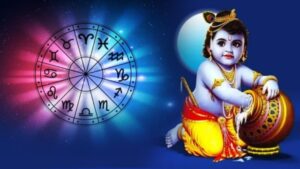
The baby’s Janam Kundali (birth chart) is prepared using accurate time, date, and place of birth. The Moon sign (Rashi)and Nakshatra determine the syllables with which the name should begin.
[Read More: Rashi-Based Baby Names and Their Meanings, read how the celebs do it]
3. Naam Uchcharan (Naming the Child)
The father or a senior family member softly whispers the chosen name in the baby’s right ear—this act symbolizes the entry of that name into the child’s pranic field. Some traditions use betel leaves, coins, or a sacred thread as part of this ritual.
4. Mantra Path and Sankalp
Mantras are chanted to bless the baby with long life (Ayushya), good health (Swasthya), and righteous path (Sadachaar). A sankalp (spiritual resolution) is taken by the parents to raise the child in accordance with Sanatani values.
5. Writing the Name in Rice or on a Thaali
Symbolically, the name may be written in a plate of uncooked rice or on a copper plate to signify prosperity and permanence.
6. Ashirvaad (Blessings)
Elders and community members bless the child. Traditional gifts like silverware, clothes, or coins are given as shagun.
7. Bhoj and Daan
The ceremony ends with a small sattvic feast and charitable giving to Brahmins, temples, or needy families. This act balances energy and invites abundance.
Timing and Tithis: When Should You Do Namkaran?
- Ideal on the 11th, 12th, or 13th day after birth.
- Can be postponed up to the 40th day in cases of cesarean delivery, premature birth, or medical issues.
- Panchang consultation is essential. Days like Chaturthi, Ashtami, or Amavasya are typically avoided unless astrologically strong.
Choosing the Name: A Blend of Astrology, Culture, and Sankalp
Here are three ways names are chosen during Namkaran:
- By Rashi or Nakshatra:
Most common method. Names start with syllables prescribed in Jyotish texts based on Moon sign. - By Kuldevata or Gotra:
Many families add the name of their family deity or keep the second name aligned with the gotra parampara. - By Guna or Bhava:
Some choose names that reflect virtues they wish to imbibe in the child: Satya (truth), Veer (bravery), Bhakti (devotion).
[Explore: Sanatani Baby Names for Boys and Girls]
Modern Twist, Eternal Roots
In modern India, many families look for names that are spiritual but also easy to pronounce and contemporary-sounding. This is where platforms like Apna Sanatan help—curated names, with their meanings, pronunciations, and deity associations—all rooted in Shastra but accessible for today’s generation.
And soon, our Namkaran Toolkit will include:
- Personalized Name Suggestions
- Janam Kundali Integration
- PDF-Ready Ritual Scripts
- Sanskrit Mantra Guide
Final Thought
Namkaran Sanskar isn’t just about what you name your child. It’s about how you do it—with intent, reverence, and spiritual clarity. You don’t just speak a name—you invoke it.
Let this sacred ritual be the first dharmic decision you make for your child. In a world of fleeting trends, a Sanatani name is eternal.